The Mandela effect is a false memory that a huge number of people share: millions agree on one detail, and that detail never actually existed. The name comes from Nelson Mandela, whose death in prison countless people remember, even though he was released in 1990, served as president from 1994, and did not die until 2013.
The 12 best-known Mandela effect examples
For each example you see both versions side by side: the real one, and the one many people remember instead. Below that is what is actually true, and why the brain gets it wrong here so reliably. Look before you read on.
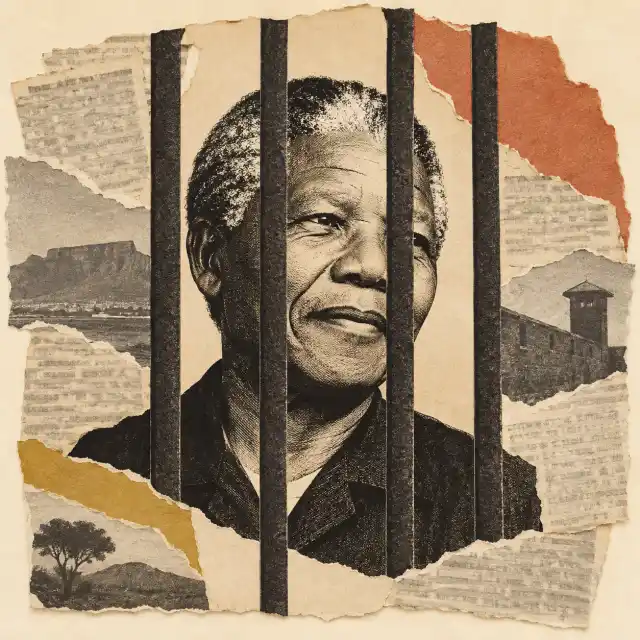
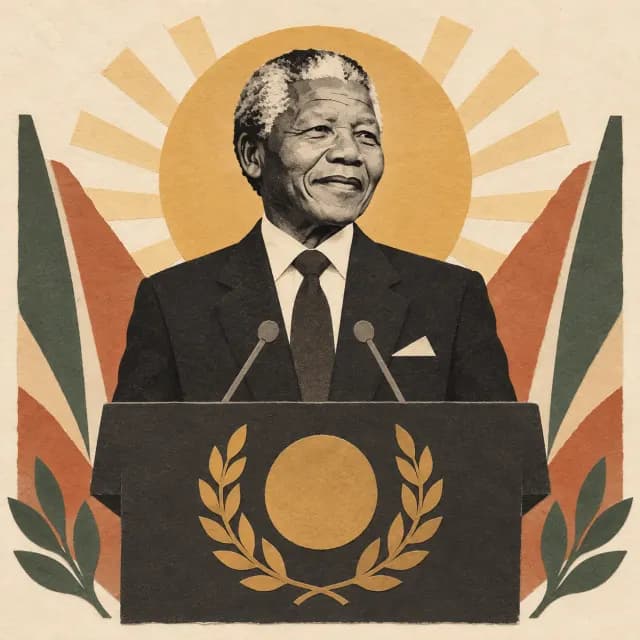
1Nelson Mandela: When did he die?
How many remember itIn the 1980s, in prisonHow it really isIn 2013, as a former president
Nelson Mandela was released in 1990, became president of South Africa in 1994, and died at home in Johannesburg in 2013.
Even so, a great many people recall news footage of his death in prison, memorial speeches, and some even remember a broadcast of the funeral. That shared false memory is exactly what gave the whole phenomenon its name. It most likely blends with the real deaths of other imprisoned civil rights leaders, and with decades of public worry that Mandela would not survive his imprisonment.
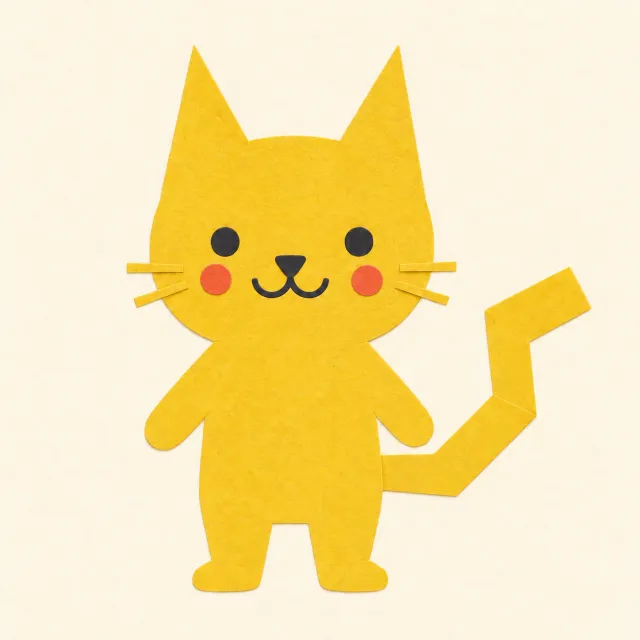
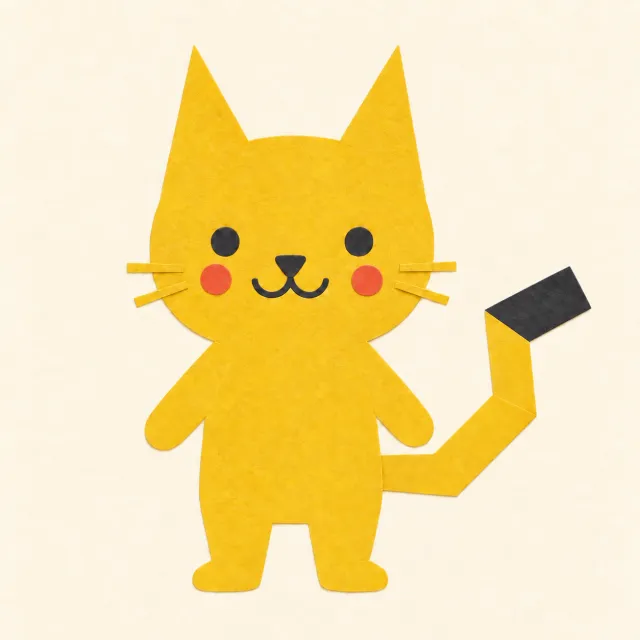
2Pikachu: Does its tail have a black tip?
How it really isYellow all the wayHow many remember itWith a black tip
Pikachu's tail is yellow and only brown at the base. It has never had a black tip.
The only black on Pikachu is the tips of its ears. When the brain remembers a character, it works with patterns rather than individual details, and if the ears end in black, it happily carries that pattern down to the tail. It also helps that almost nobody has ever studied Pikachu from behind for very long. Wherever a memory is thin, it fills the gap with whatever seems obvious.
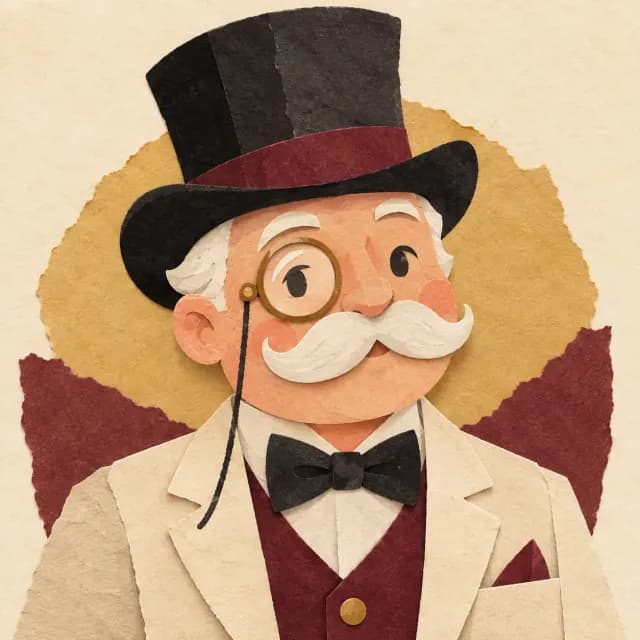
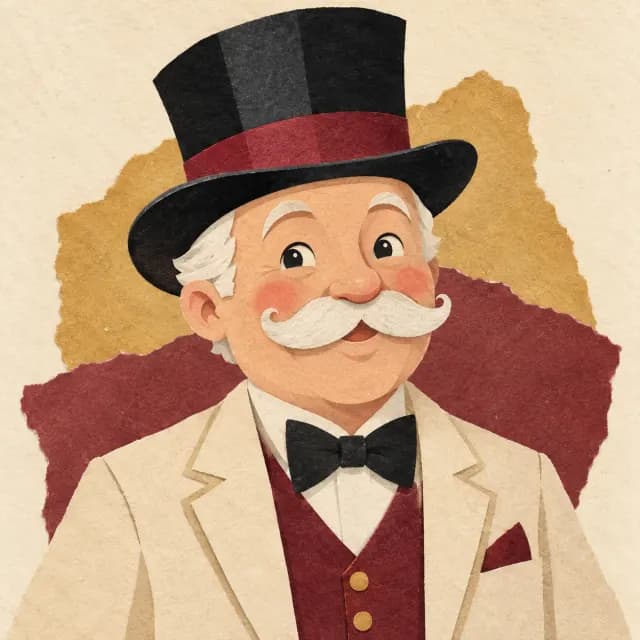
3The Monopoly man: Does he wear a monocle?
How many remember itYes, with a monocleHow it really isNo, no monocle
The Monopoly man wears a top hat, moustache and bow tie, but no monocle.
The memory most likely borrows from Mr. Peanut, the mascot of an American peanut brand, who wears a top hat, carries a cane, and does have a monocle. There really was one exception, though: in the mid-1990s, Monopoly Junior banknotes in France and the Netherlands did show a monocle. Anyone who was a child then may genuinely have seen it.
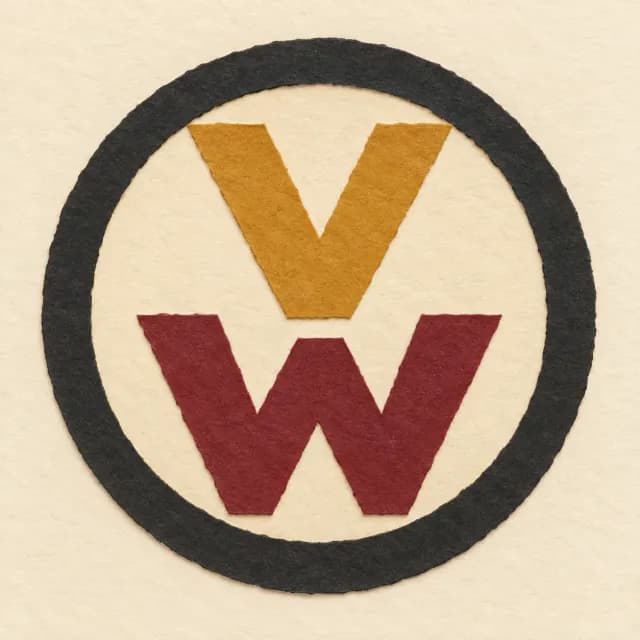
4The VW badge: Is there a gap between the V and the W?
How it really isYes, with a gapHow many remember itNo, no gap
The official badge keeps a narrow gap between the V and the W.
Many people remember the two letters fused together, and that is not pure imagination: over the decades, some badges were pressed from a single piece of metal and showed barely any gap at all. So the memory does have a real anchor here, just not the one it thinks it has.
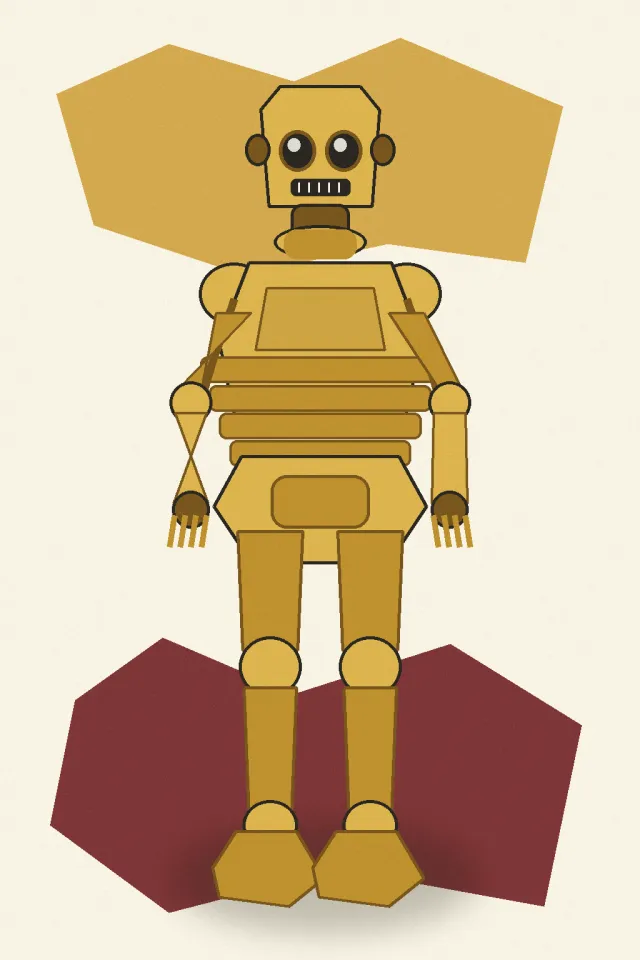
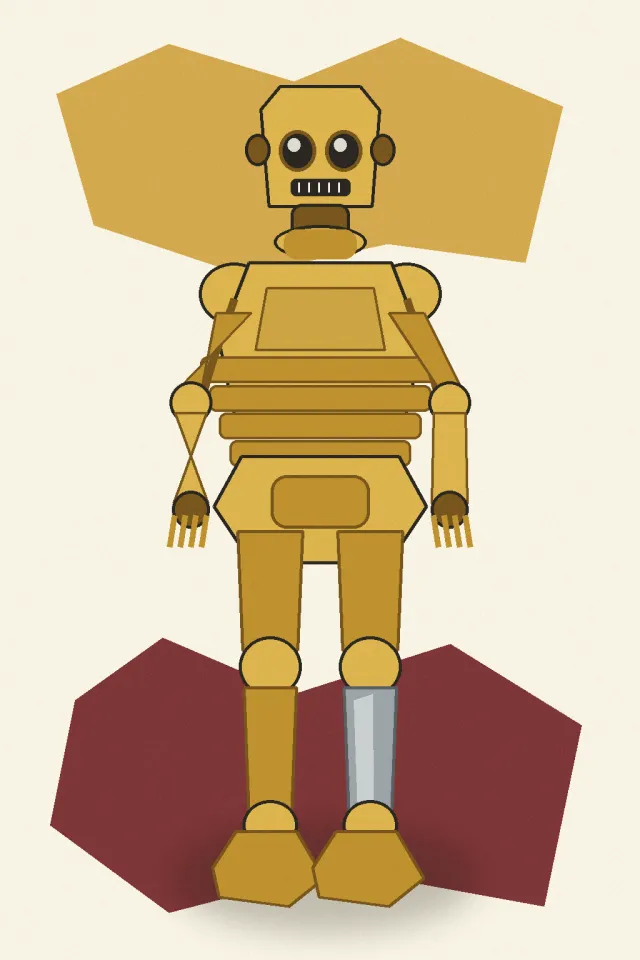
5C-3PO from Star Wars: Is he gold all over?
How many remember itGold all overHow it really isOne silver leg
C-3PO's right lower leg is silver, clearly visible in the first two films.
It hardly ever gets noticed, and the reason is fairly mundane: in a large share of the photos and posters of him, his legs are not even in the frame. The brain stores “gold robot” as a single property, not as a map of individual surfaces. Whatever it never actually saw, it fills in with whatever colour matches the rest.
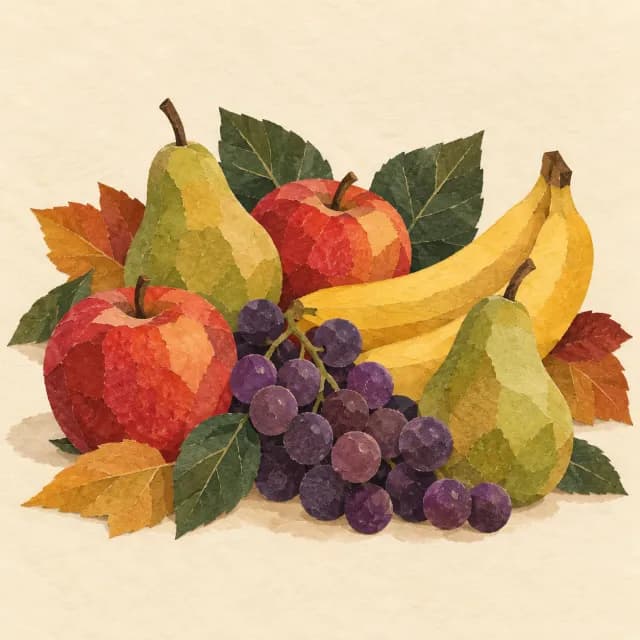
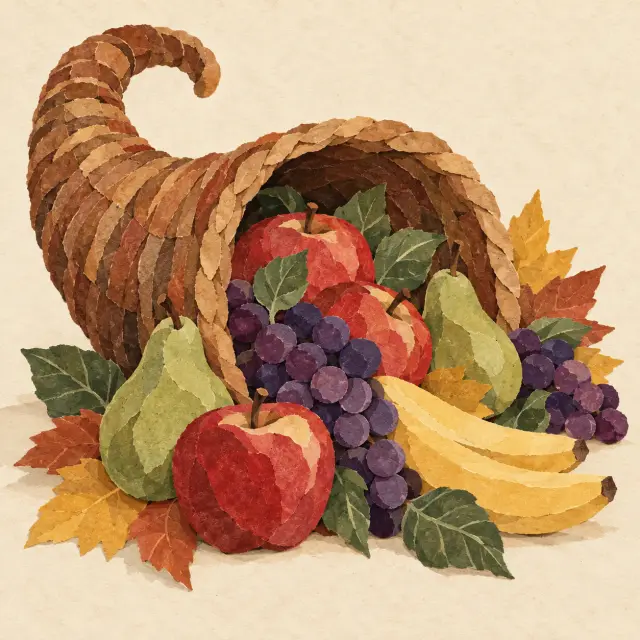
6Fruit of the Loom: Fruit in front of a cornucopia?
How it really isFruit onlyHow many remember itFruit in front of a cornucopia
The logo shows fruit only: an apple, grapes, currants and leaves. No version since the 1910s has ever included a cornucopia.
This example is especially well documented, because the company itself has published every historical version of the logo, and not one of them includes a cornucopia. Memory adds one anyway, because fruit and a horn of plenty have belonged together in imagery for centuries. The brain completes a familiar composition, the same way it finishes reading a sentence that is half covered up.
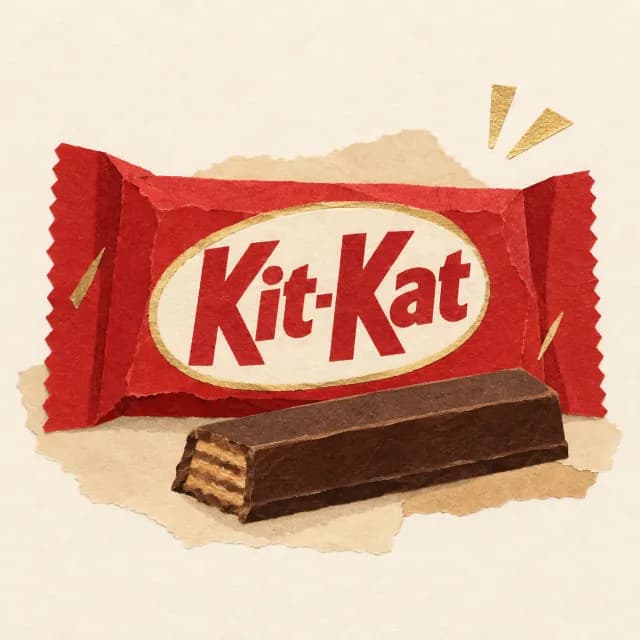
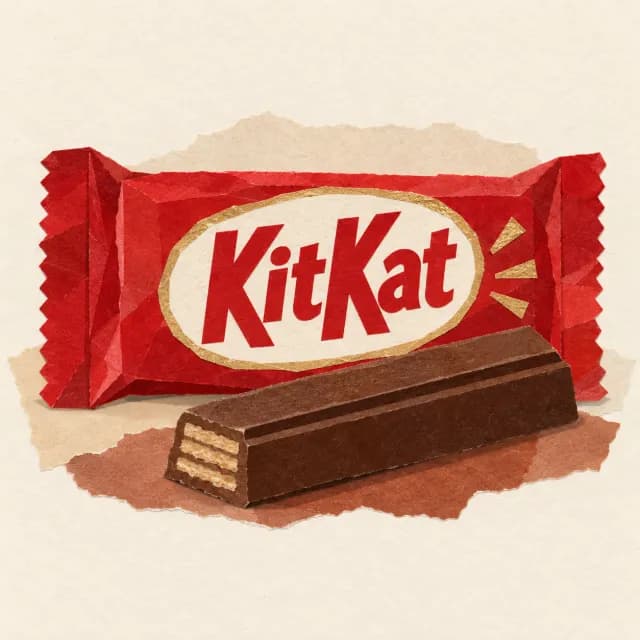
7KitKat: With a hyphen or without?
How many remember itKit-Kat, with a hyphenHow it really isKitKat, without a hyphen
KitKat is written without a hyphen, and always has been.
The maker has confirmed this explicitly: no wrapper has ever carried one. In the United States the name is set as two separate words, but even there without a hyphen. Two short, rhyming syllables like these simply invite a hyphen, which is likely why memory keeps adding one.
8Darth Vader: Does he say “Luke, I am your father”?
How it really is“No, I am your father”How many remember it“Luke, I am your father”
The line in The Empire Strikes Back is “No, I am your father”. Luke's name is never spoken.
Vader is answering Luke's accusation that he killed his father. Even so, the line is almost always quoted with the name added, for a practical reason: taken out of context, it makes no sense without it. For decades people have passed along the more useful version, until that became the one everybody remembers.
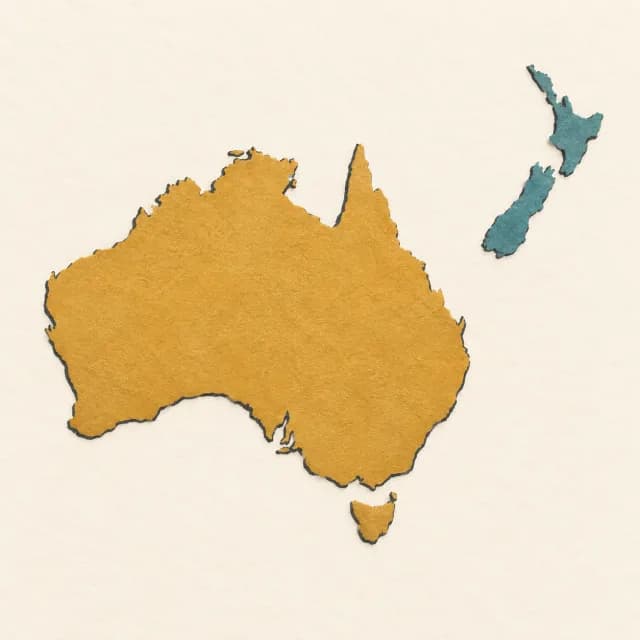
9New Zealand: Is it northeast or southeast of Australia?
How many remember itNortheast of AustraliaHow it really isSoutheast of Australia
New Zealand lies southeast of Australia, about 2000 kilometres off the coast.
Anyone who gets this wrong has often simply looked rarely. On many world maps, New Zealand sits right at the edge, gets cropped off, or is shifted into a small inset box of its own. Where the map gives no clear answer, memory places the country wherever there still seems to be room.
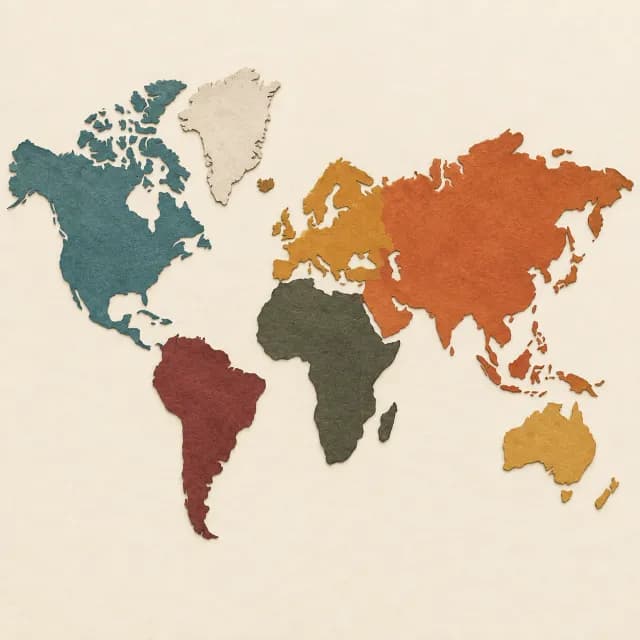
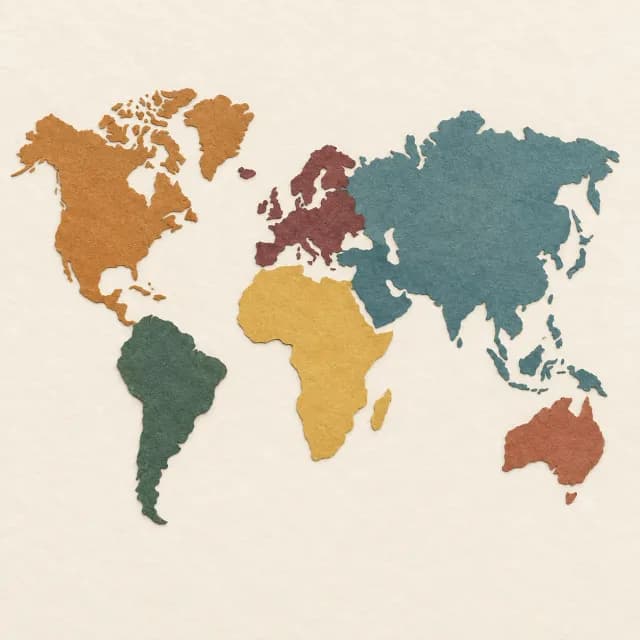
10South America: Does it lie directly below North America?
How it really isConsiderably further eastHow many remember itDirectly below it
South America lies almost entirely east of North America. Lima is further east than Miami.
The names suggest otherwise, and that is exactly the mechanism at work: whatever is called north and south gets stacked vertically in the mind. Here, language turns out to be stronger than a picture you have seen a hundred times.
11Apollo 13: “Houston, we have a problem”?
How many remember it“Houston, we have a problem”How it really is“Houston, we've had a problem”
The actual radio call was “Houston, we've had a problem”, in the past tense.
The 1995 film put the line into the present tense, because that sounds more urgent and carries a scene on screen. Since then almost everyone remembers the film version, including people who heard the actual transmission live at the time. A later, catchier version overwrites the earlier one.
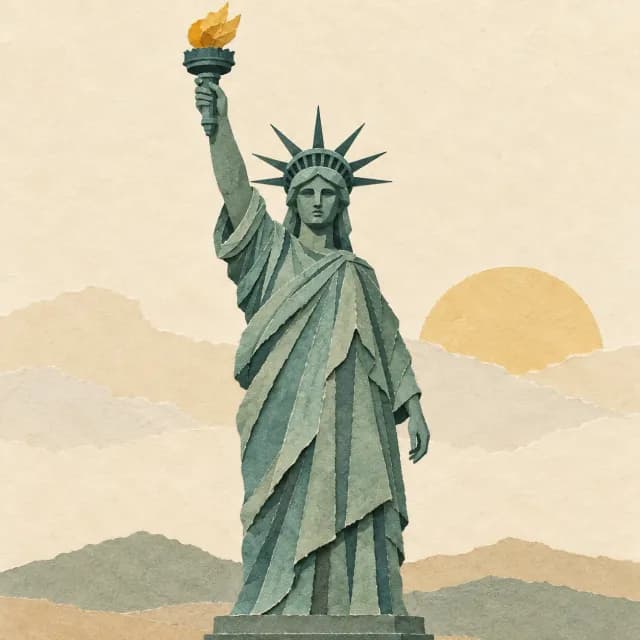
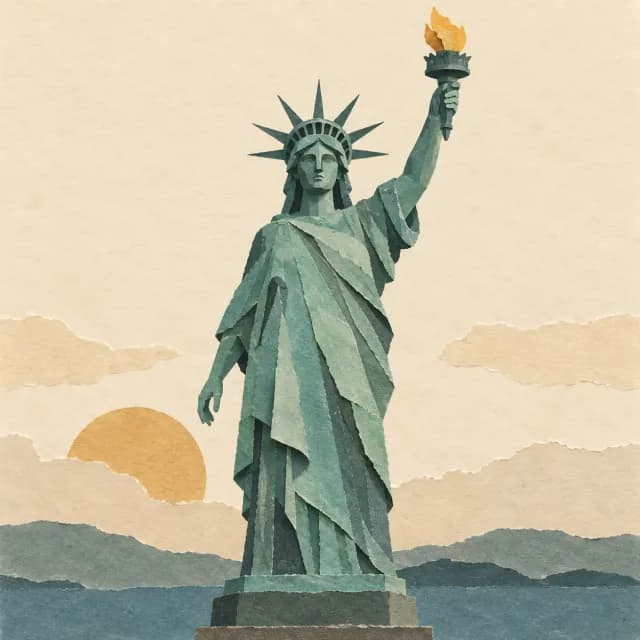
12The Statue of Liberty: Which hand holds the torch?
How it really isThe right oneHow many remember itThe left one
The Statue of Liberty holds the torch in her right hand, raised high. In her left hand she carries the tablet with the date of the Declaration of Independence.
Here, memory gets the object right more often than the side. Mirrored memories like this one are especially common, because the brain barely stores which way round an image faced. Whoever pictures the statue from the other side ends up with the torch in the other hand too.
What is the Mandela effect?
The Mandela effect is a false memory that many people share independently of each other, and that shifts the same way for all of them.
Fiona Broome coined the name in 2009. At a conference she discovered that she was not the only one who remembered news of Nelson Mandela's death in prison: a whole group of people around her remembered it too, complete with details, memorial speeches and images. At the time, Mandela had been free for almost twenty years and was still alive.
What makes the phenomenon interesting is that the errors do not scatter randomly. A 2022 study showed participants well-known logos and characters and found that for certain images, almost everyone reaches for the same wrong version, quickly and with great confidence. There is, in other words, something like a predictable false memory.
That makes the Mandela effect more interesting to memory research than it first sounds. It is not a random grab-bag of mix-ups, but a demonstration of how a brain fills gaps: not arbitrarily, but by the same rules it uses for everyone else.
Why do so many people misremember?
Because remembering is not playback. Every memory is reassembled each time it is recalled, and whatever seems plausible gets filled in along the way.
The brain does not store a recording, only fragments: a few shapes, a mood, a context. When recalling something, it builds a complete scene from those fragments and fills the gaps with whatever fits everything else. That is how a fruit logo suddenly gets a cornucopia, and a robot known as gold ends up with two gold legs.
Pictures, stories and later impressions all get mixed in along the way. A film quote overwrites the real radio call, an advertising mascot lends the Monopoly man its monocle. Elizabeth Loftus's research has shown how easily this same process can implant entire events that never actually happened.
That leads to an uncomfortable conclusion: a memory does not become more accurate the more often it is recalled. It becomes more edited. Every retelling is also a rewriting, and the version that works best is the one that wins out.
The same effect is at work in every family story
If millions of people get a statue wrong, one that anyone can look up, how reliable is the story of how your grandparents met?
With a company logo, the mistake eventually comes to light, because the original still exists somewhere. With family stories, there is no original. Who met whom and when, which year the move happened, who actually said the line everyone quotes: stories like these get smoothed a little with every telling, and nobody can look them up.
There is also a deadline most people underestimate. Spoken family memory rarely survives longer than eighty to a hundred years. As long as grandparents, parents and children tell each other things in person, a living family memory exists. After that, it dissolves, because the people who carried it are gone.
Research at Emory University has shown something else along the way, beyond mere preservation: children who know their family's stories cope better in difficult times and have more self-esteem. Quizzing them on facts does not help with that. Telling the stories regularly does.
The practical conclusion from all of this is a very simple one: ask while you still can, and keep the answer. First hand, and ideally in the voice that tells it.
Frequently asked questions about the Mandela effect
The Mandela effect is a false memory that a lot of people share. Everyone remembers the same detail, for example a monocle on the Monopoly man, and that detail never actually existed. It is not a disorder, just a normal property of memory.
Because Nelson Mandela was the first well-known case. In 2009, Fiona Broome noticed that she, along with many other people, remembered reports of his death in prison in the 1980s. In reality, Mandela was released in 1990, became president of South Africa in 1994, and died in 2013.
The ones mentioned most often are Pikachu's tail, the Monopoly man's monocle, the cornucopia on the Fruit of the Loom logo, the gap in the VW badge, C-3PO's silver leg, how KitKat is written, Darth Vader's line, and the Apollo 13 radio call. All twelve are further up this page, each with both versions to compare.
Yes, right on this page. The test shows you twelve pairs of pictures and asks each time which version is the real one. You can also answer honestly that you do not know. At the end you see how you compare to everyone else. It takes about one minute and needs no account.
No. The idea is popular and fun to entertain, but it is not needed: memory research fully explains the mistakes through the way memories are reassembled each time they are recalled. So many people getting it wrong in the same way happens because every brain fills gaps by similar rules.
Not completely, and remembering something often does not help, quite the opposite: every recall edits the memory a little further. What does help is a record made at the time or straight from the source, such as a photo, a letter, or a recorded telling.
It varies a great deal by example. For the best-known cases, studies find that a majority of people reach for the wrong version, and they do it quickly and with great confidence. For others, the share is much lower. It is exactly these differences that make the phenomenon interesting to researchers.
The same mechanism is at work in every family story, it just never gets noticed there. You can look up a company logo. You cannot look up the story of how your grandparents met. It gets a little smoother with every telling, and eventually the nicer version is the only one left.
How good is your memory, really?
Twelve pictures, one minute, no account. Afterwards you will see how you compare to everyone else.